
ArTeC, ‘The cinematic experience of the face’
This post is also available in: Français (French)
12 – 29 March 2026
ArTeC, ‘the cinematic experience of the face’
ArTeC is a University Research School dedicated to research and creation. Based at the campuses of Paris 8 University, Paris Nanterre University and Campus Condorcet, it supports experimental practices that draw on artistic approaches to renew the forms of university research. Its aim is to forge original links between research and higher education (Masters, PhD), between artistic creation, cognition and digital technologies, between the humanities, engineering, design and the social sciences, and between university campuses, cultural institutions, community activism and private enterprises.
Website: eur-artec.fr/en/home
Course description:
Coordinators: Fabien Boully, Aurore Mréjen and François-David Sebbah
Cinema offers an experience of the face that goes beyond the question of representation. This stems primarily from our relationship with the face, as an encounter with otherness, beyond any fixation on a definable form. Emmanuel Levinas explains in this regard that the transcendence of the other can only be grasped through ethics, the infinite responsibility one bears towards them, and not through sensory representation. But if the question of representation is not sufficient to account for the experience of the face in cinema, it is also because cinema is writing. Robert Bresson makes this the foundation of his theory of cinema in his Notes on the Cinematograph: ‘The cinematograph is a form of writing with images and sounds’. There is writing because cinematic creation is constructed through the establishment of connections and relationships, which the fragmentation of the cinematic signifier calls for. These inquiries raise the question of what is meant by the term ‘face’. In A Thousand Plateaus, Gilles Deleuze and Félix Guattari assert that the face is not a universal, but a value specific to Western and Christian civilisation. The aim is to escape the face, the abstract machine of faceness, which serves to sort faces, thereby producing or fuelling racism and ethnocentrism. And what of those faces that defy convention or stereotypes – ‘unconventional faces’, in short – which cinema has consistently brought to the screen: faces that are altered, disfigured, broken, blurred, and so on? They might well prompt us to rethink the poetics and politics of the face.
Participants in this workshop were therefore invited to engage in a cinematic exploration of the face; the workshop combined theoretical and philosophical approaches and also provided an opportunity to meet artists and film professionals. In a final practical phase, the students produced, screened and presented experimental film essays based on the issues encountered and explored during the workshop.
VIDEO PROGRAMME
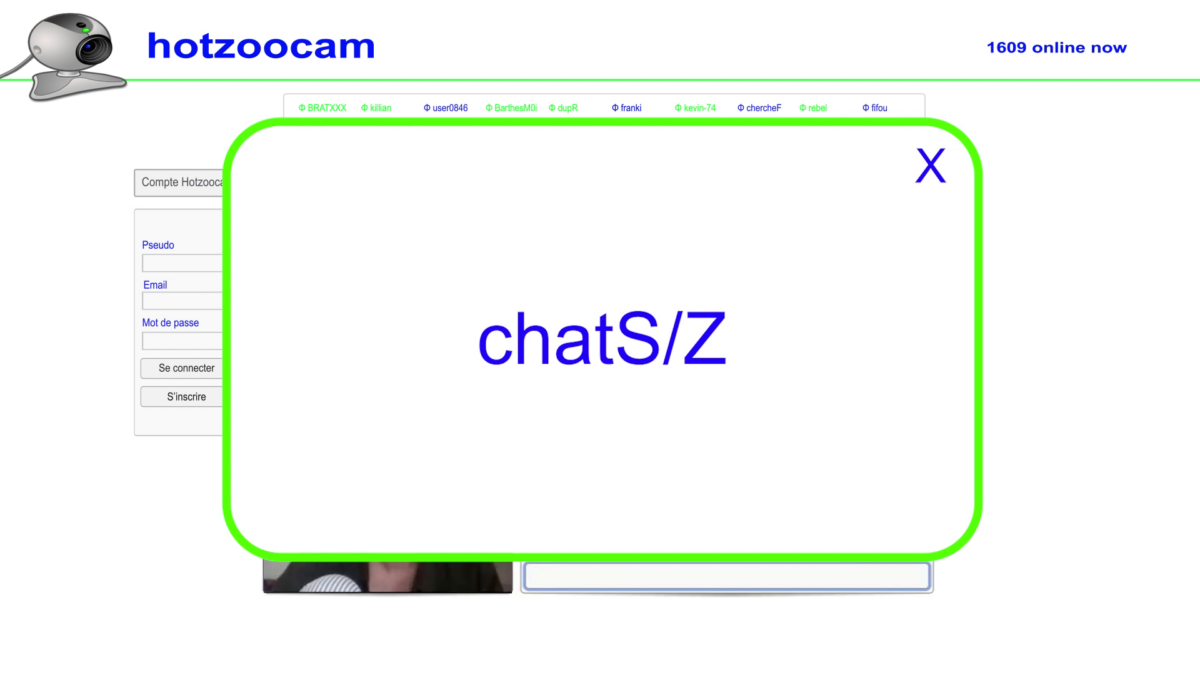
ChatS/Z | Célia CAROUBI, Juliette PARENT, Ambre Guidicelli | 2025
Juliette wanders around Hotzoocam, a site for random webcam chats. She drifts from face to face, hoping to read her text to attentive ears. But she is skipped over, ignored. She comes face to face with others, often with fragmented body parts. Yet a sense of unity emerges from these fragments of digital conversation – a longing, a desire to connect with another, to escape loneliness for a few moments.
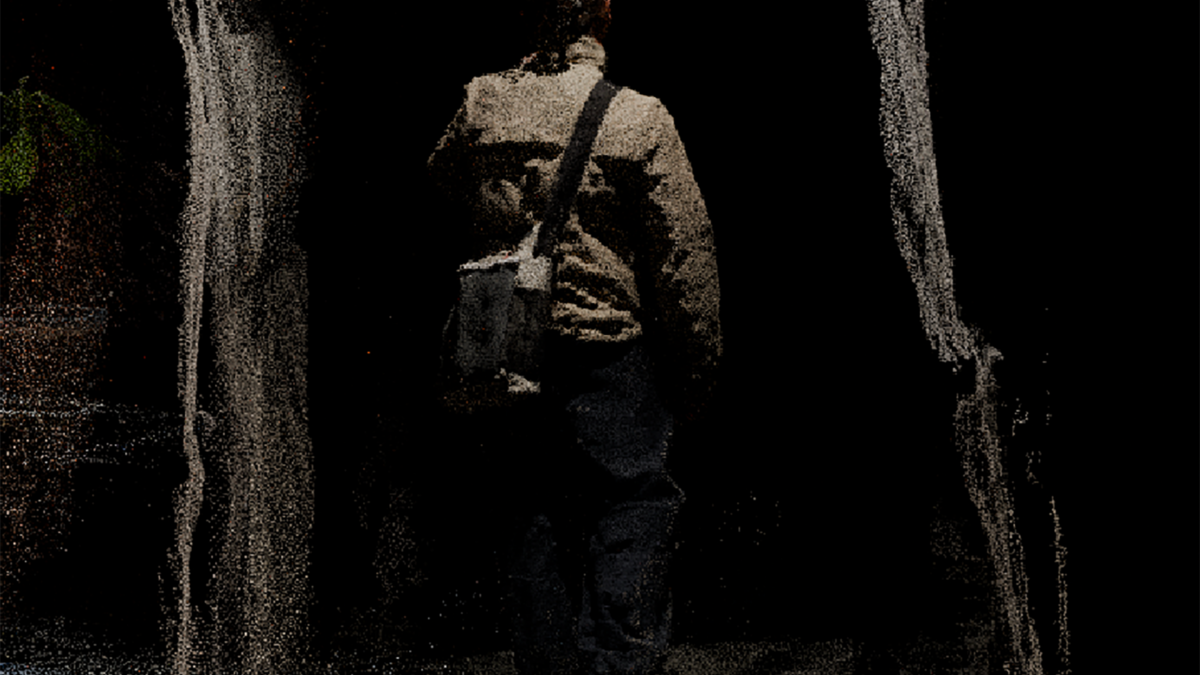
Lumen | Étienne DUPLAN, Julia POIRIEZ, Emmanuel ROCH | 2025
What is the mental image of a face we will never see again? Through the exploration of a brother’s memories of his lost sister, the film Lumen attempts to reconstruct her face – elusive and ghostly – through memories and sensations.